


How Internal Linking Boosts Rankings and User Navigation

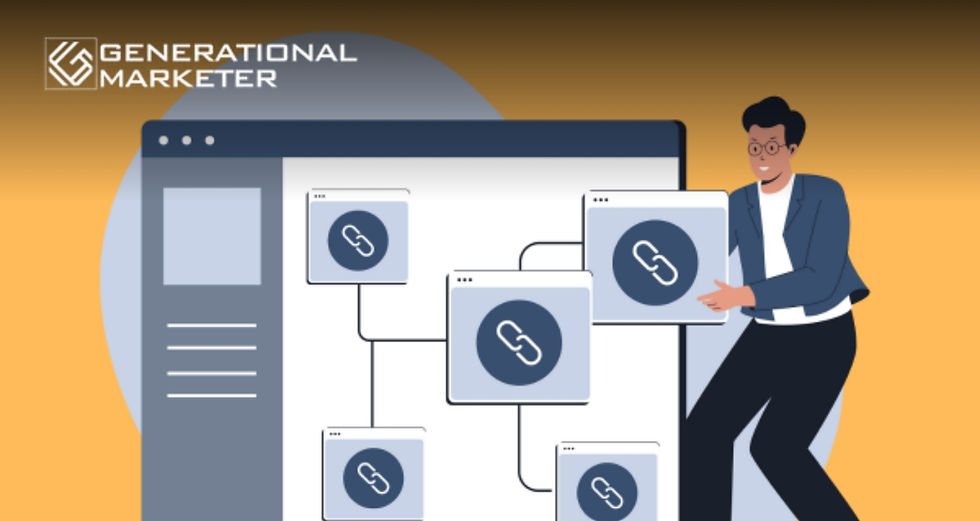
Internal linking has been neglected in the competitive SEO landscape, but it significantly increases website rankings and user navigation. Strategically linking pages on your site will help you achieve a smoother experience for search engines and your site's users. This blog will discuss how to implement an SEO internal linking strategy to enhance your site's performance and user experience.
What is Internal Linking and Why Does It Matter for SEO?
Internal linking is the process of connecting pages on your site, and it is a vital SEO strategy. Knowledge of internal linking helps improve search engine rankings and user navigation.
Understanding Internal Linking
Internal linking is the practice of connecting pages on your site to one another. Internal links guide visitors and search engines through your content, unlike external links, which point to other sites. They are the routes that lead to the various areas of your site, and they provide a map that users and search engines can follow.
An internal linking system is well-structured and helps search engines crawl your website more efficiently, ensuring all relevant pages are identified and indexed. It also enables users to navigate your site effortlessly, moving from one page to another. This results in a more positive experience, increased engagement, and improved search engine rankings.
How Internal Links Help Search Engines Understand Your Site
Search engines such as Google rely on internal links to understand your website's structure and content. By linking one page to the next, you signal to search engines how you organise your content. It is done to enable Google to determine the most critical pages based on the number of internal links to them. Pages with more internal links are perceived as more authoritative.
Besides, internal link SEO also assists in crawlability, which is how search engine bots learn about and index pages in your site. In the absence of internal links, some of your high-quality pages will remain unlinked and cannot be indexed by search engines. A good internal linking strategy makes all your content easy to find and improves its search rankings.
Key SEO Benefits of Internal Linking
Internal linking is not merely a navigation tool; it offers powerful SEO benefits that can improve your rankings and user engagement. Here, internal linking is analysed for its impact on your site's SEO.
Boost Rankings with Internal Links
The increased ranking is also one of the most significant advantages of internal linking SEO. As you link off the pages with high authority to newer or unpopular pages, you transfer some of the link equity (also called link juice) of the stronger pages to the weak ones. This facilitates the visibility and the ranking of these pages.
With tactical internal linking, you can ensure that your most vital pages, such as service or product pages, gain sufficient authority to rank higher in search engine results.
Improving Crawlability and Indexing
Internal linking also improves crawlability and indexing by giving search engines a clear path to navigate your site. It makes it easier for search engines to discover all your content, including new pages and blog posts. Properly used internal links also help search engines crawl your site more effectively, resulting in faster indexing and better overall search results.
Enhancing Topic Relevance and Authority
Another significant advantage of internal linking is that it creates and strengthens topic relevance and authority throughout your website. When you connect related information, you signal to search engines that these pages share a similar theme. This enhances your website's topical authority, as search engines recognise that it provides in-depth information on specific topics.
For example, publishing blog posts on search engine optimisation, search engine keywords, and on-page optimisation signals that your website is an expert guide to search engine optimisation. This enhances your positions for related keywords and positions your site as a pioneer in your field.
How Internal Linking Improves User Navigation and Engagement
Internal links play an essential role in guiding users through your website and enhancing navigation and engagement. Here, we will examine how they minimise bounce rate and retain visitors.
Better User Experience and Reduced Bounce Rates
Internal linking is also crucial for enhancing the user experience by making it easy for visitors to navigate your website. Internal links are used effectively to position related information within the content, so that when a user needs that information, they can easily navigate to it without having to search or leave your site. This enables them to enjoy their experience and be more engrossed.
Another essential advantage of internal linking is its ability to reduce bounce rate. When users are provided with relevant internal links, they are more likely to stay on your site and visit more pages. A low bounce rate signals to search engines that your content is valuable, which can improve your rankings.
Guiding Users on Their Journey with Effective Internal Links
Proper internal link SEO can also help guide users through your site's navigation. Internal links can help smooth content flow, whether linking from a blog post to a product page or from an informational article to a case study. This approach not only increases user engagement but also boosts conversion rates, as users are more likely to act when they can quickly locate the information they need.
Internal Linking Best Practices for SEO and User Experience
To reap the benefits of internal linking, one must follow best practices that not only improve search engine performance but also enhance the user experience. We will review some of the best strategies.
Organise Your Site with Content Hubs
The best way to implement internal linking seo best practices is to structure your site around content hubs or topic clusters. A content hub typically comprises a central pillar page focused on a general subject matter, with a few cluster pages that expand into subtopics.
When connecting these cluster pages to the pillar page, and vice versa, you create an excellent internal linking network that makes your content easy for both users and search engines to navigate.
Anchor Text Optimisation for Internal Links
The text you use in your internal links (anchor text) is an essential aspect of user experience and search engine optimisation. Keywords in the anchor text are primarily descriptive and inform the search engine what the linked page is about, and they also give the user a clear idea of what to expect when they click the link. Specific keywords that define the destination content should be used instead of general terms like "click here" or "read more".
Avoid Common Internal Linking Mistakes
Although internal linking can be highly effective, it is essential to avoid common mistakes that could undermine your SEO efforts. The following are some of the errors to be avoided:
Over-linking: Too many internal links can overwhelm users and dilute the SEO value of your links. Stick to linking to the most relevant pages.
Broken links: Regularly check for and fix internal links that are broken, as they negatively impact both user experience and SEO rankings.
Irrelevant links: Only link to contextually relevant content. Irrelevant links can confuse users and search engines alike.
Tools and Techniques to Optimise Internal Linking
Some of the tools can help you monitor, streamline, and audit your internal connections. We will explore the most effective tools for managing inbound links.
Using SEO Tools to Track and Optimise Internal Links
Internal linking can be optimised using SEO tools like Google Search Console, Ahrefs, and Yoast SEO. These will enable you to monitor your internal links, orphaned pages, and which pages to add more links to. An internal linking strategy will also be well optimised through regular audits.
Why Internal Linking is the Secret Sauce for SEO Success and User Satisfaction
To sum up, internal handshaking is an integral part of any SEO internal linking strategy and can help in increasing website ranking and web traffic. A good internal linking strategy is vital to creating an internalised site that is optimised for both search engines and users.
Let's Optimise Your Internal Linking Strategy
Now that you understand the value of internal linking, you should review your internal linking strategy. You should optimise your links to improve SEO rankings, drive conversions, enhance the user experience, and increase visibility for your content. If you have any questions about establishing an effective internal linking strategy, please contact me.
FAQ’s
Do internal links influence SEO rankings?
Internal links help search engines find, index, and rank pages, directly affecting SEO rankings by distributing link equity throughout your site.
How does internal linking improve SEO?
Internal linking is a powerful tool in the field of SEO because it increases the crawlability and content relevance of the content and the transfer of link authority among the pages to improve the ranking.
Can internal linking improve my website's search engine ranking?
Yes, a well-planned internal linking strategy will help search engines identify key pages, enhancing visibility and ranking across your site.
How can internal linking help improve user navigation and engagement?
Internal linking leads users to relevant information, improves site navigation, lowers bounce rates, and increases average time on site.
What are internal and external links in HTML, and how do they enhance website navigation?
Internal links connect pages within the same site, and external links to other sites; both enhance navigation and the user experience by providing routes to related information.



Comments